ARGUS — Agora Powered Voice Web Automation
Link to open source: https://github.com/AgoraIO-Community/agora-recipes/pull/21
ARGUS — Agora Powered Voice Web Automation
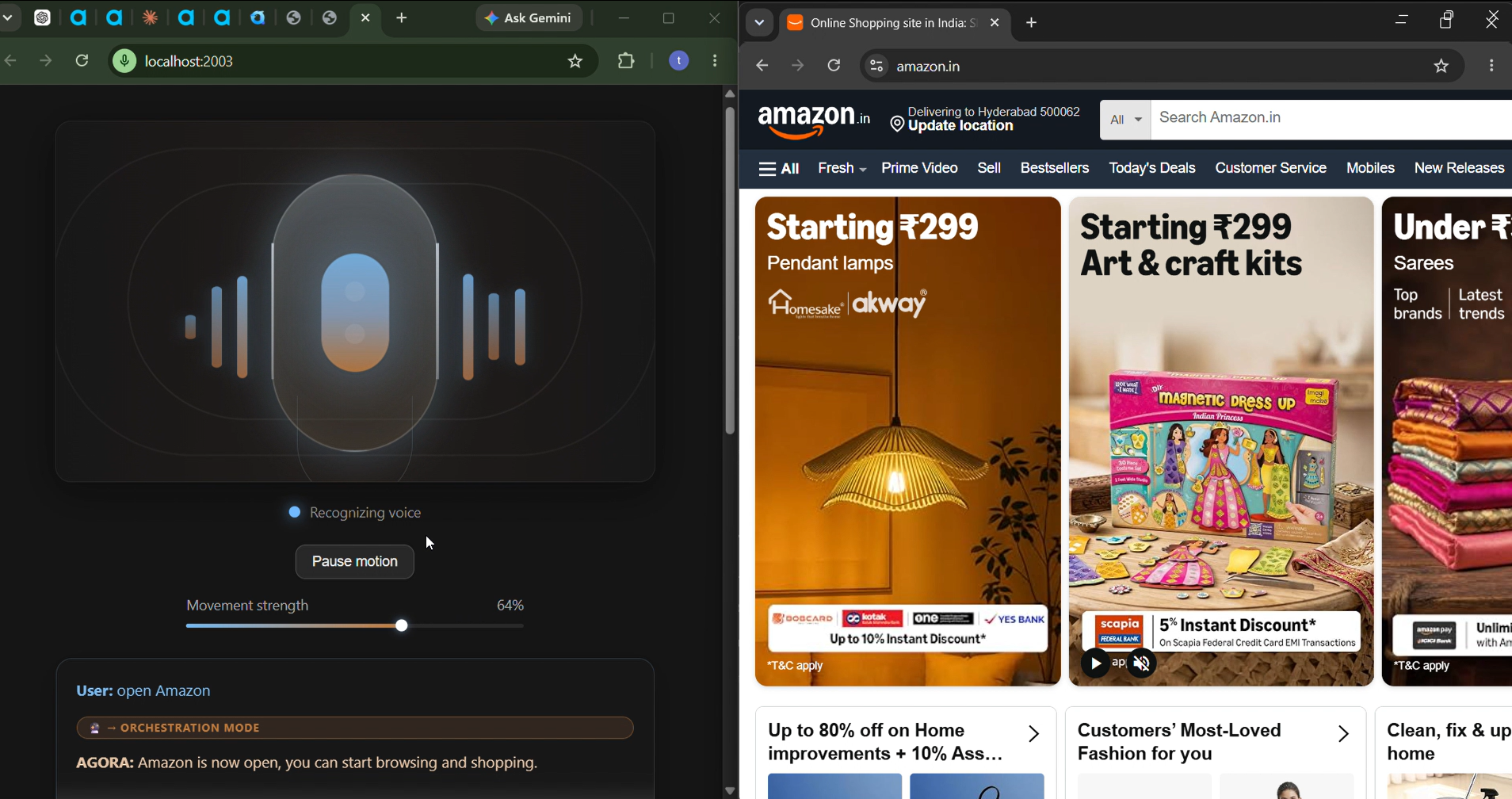
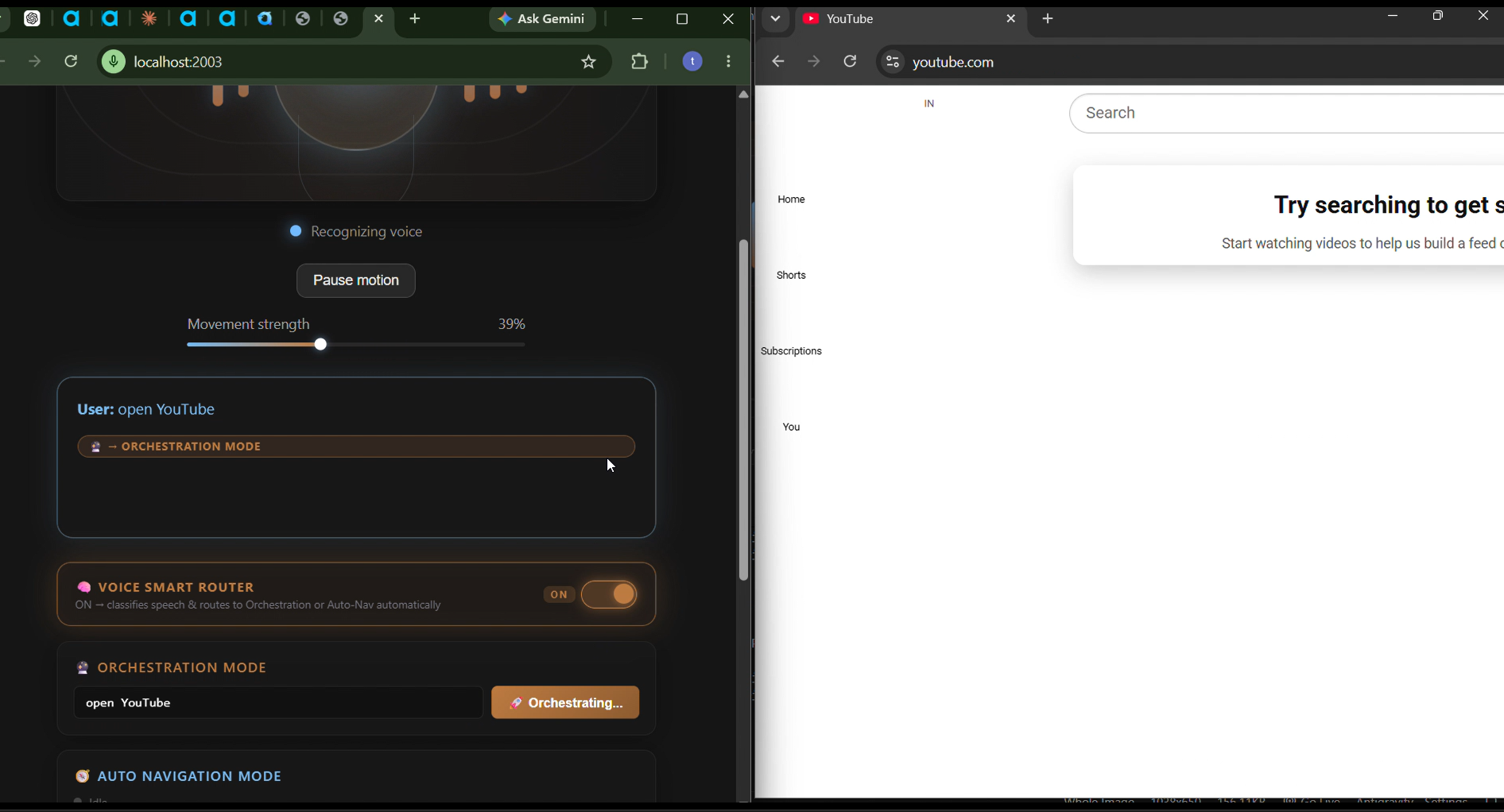
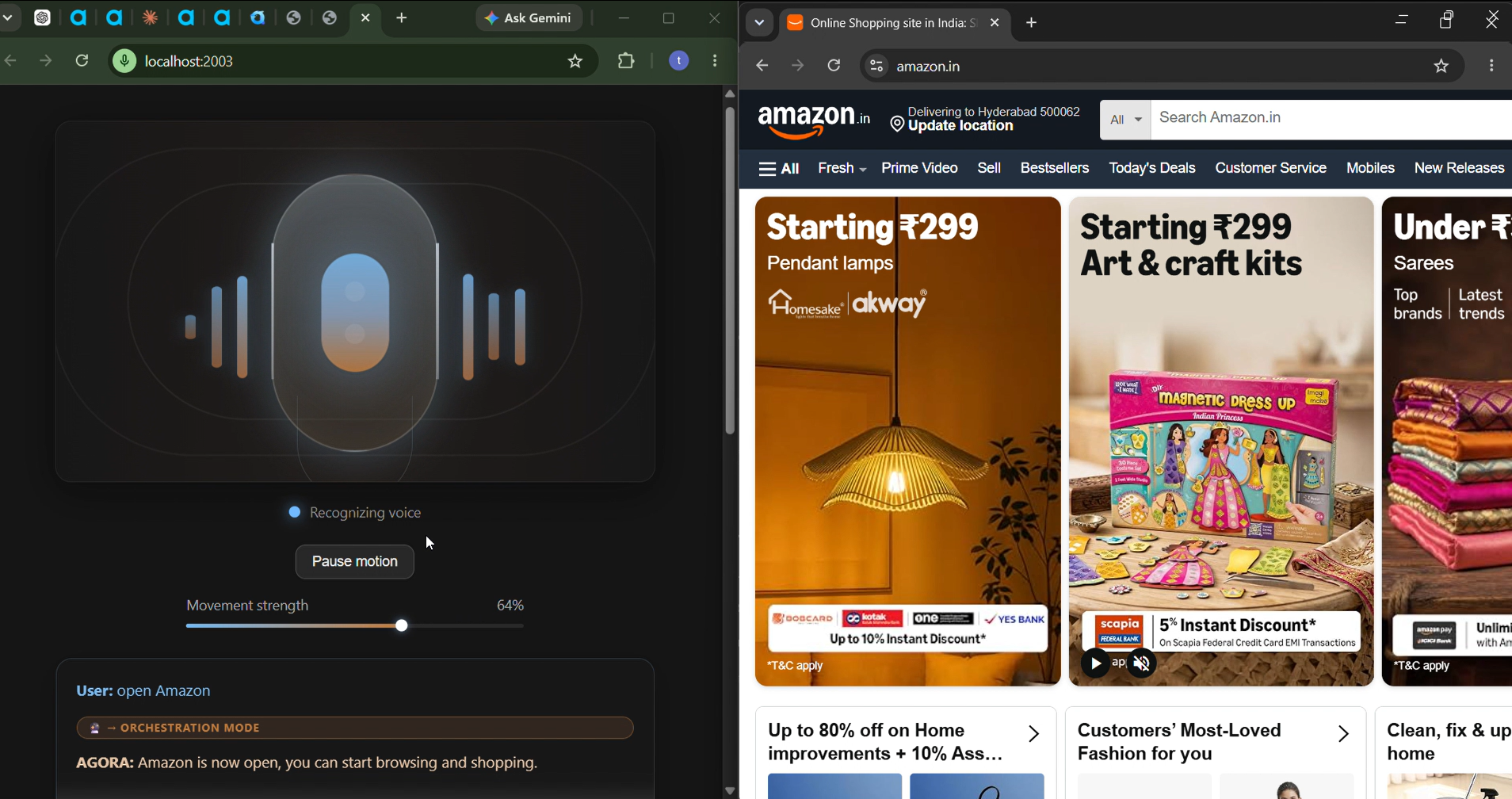
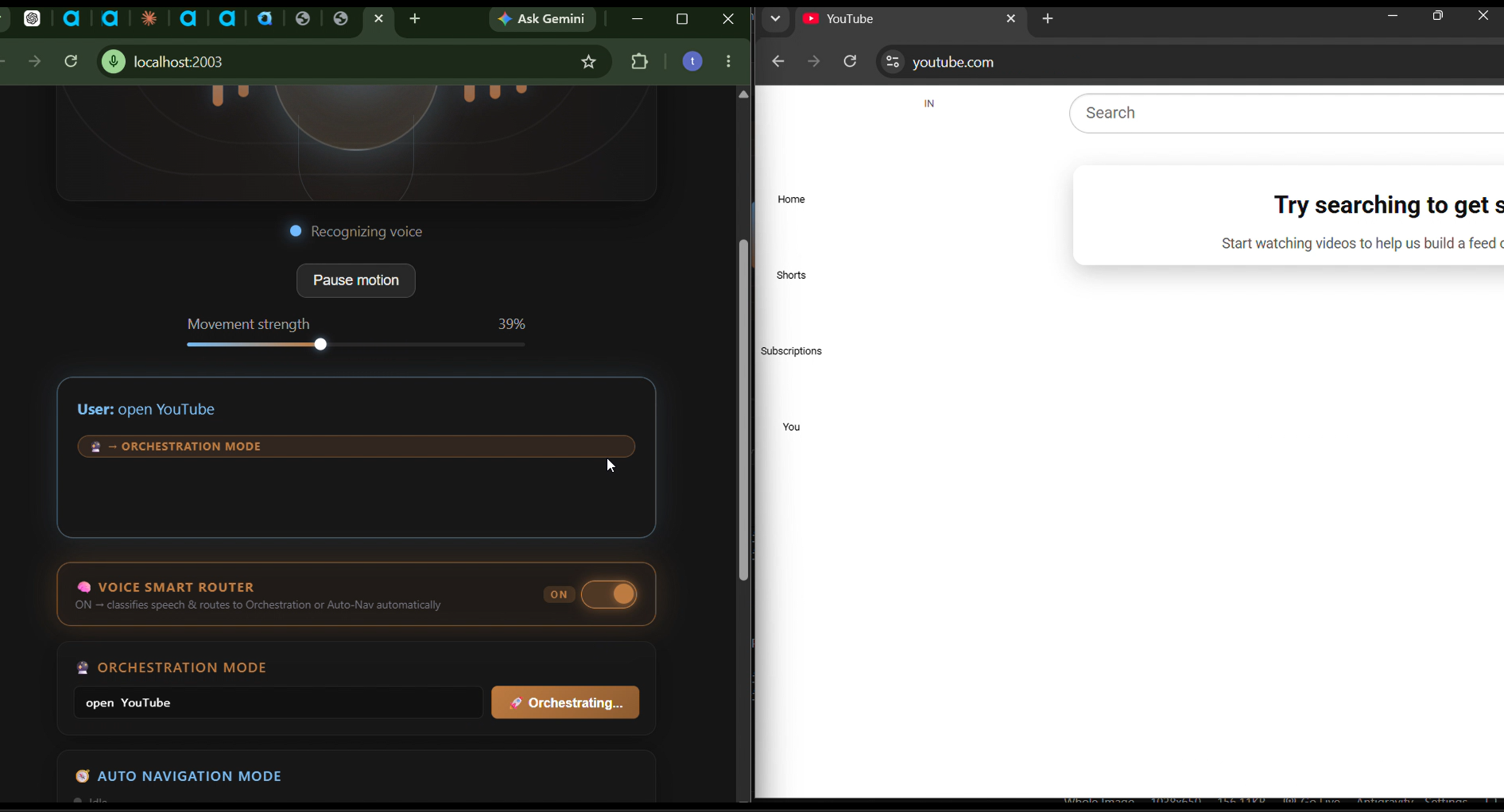
ARGUS autonomously interacts with websites to execute tasks without human intervention, seamlessly handling actions like booking products, filling out forms, and summarizing site content by commanding with the Voice.
Focus on efficiency: Operating without manual intervention, ARGUS autonomously navigates web browsers to execute complex tasks like booking products, completing forms, and extracting website information.
Focus on capability: ARGUS empowers autonomous web interaction by seamlessly executing steps—such as booking products, filling out forms, and navigating sites—entirely without human involvement.
Real-World Scenario
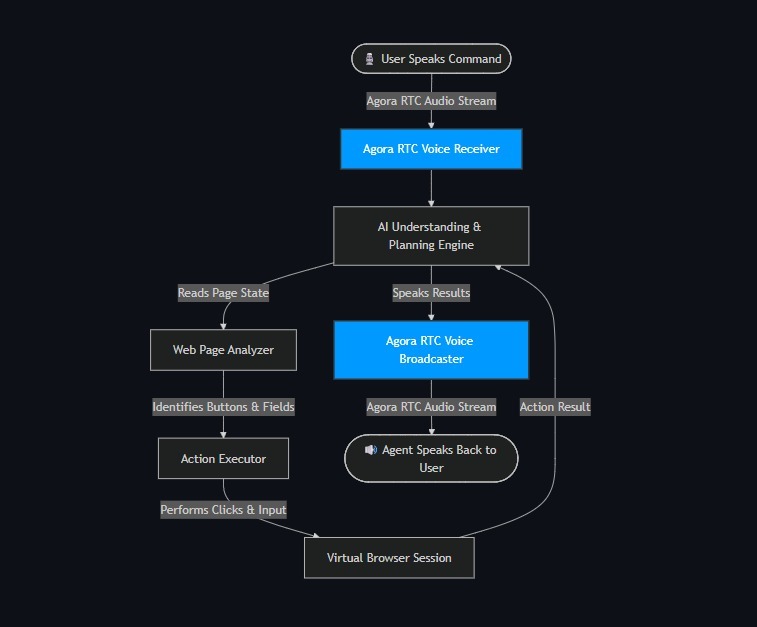
Currently, manually executing routine web tasks and filling out forms is highly inefficient and time-consuming. To solve this, we are pitching a seamless voice-to-execution pipeline powered by Agora SDK + LLM + Backend Logic. This creates a direct workflow: Voice Capture → Intent Understanding → Autonomous Execution → Goal Complete.
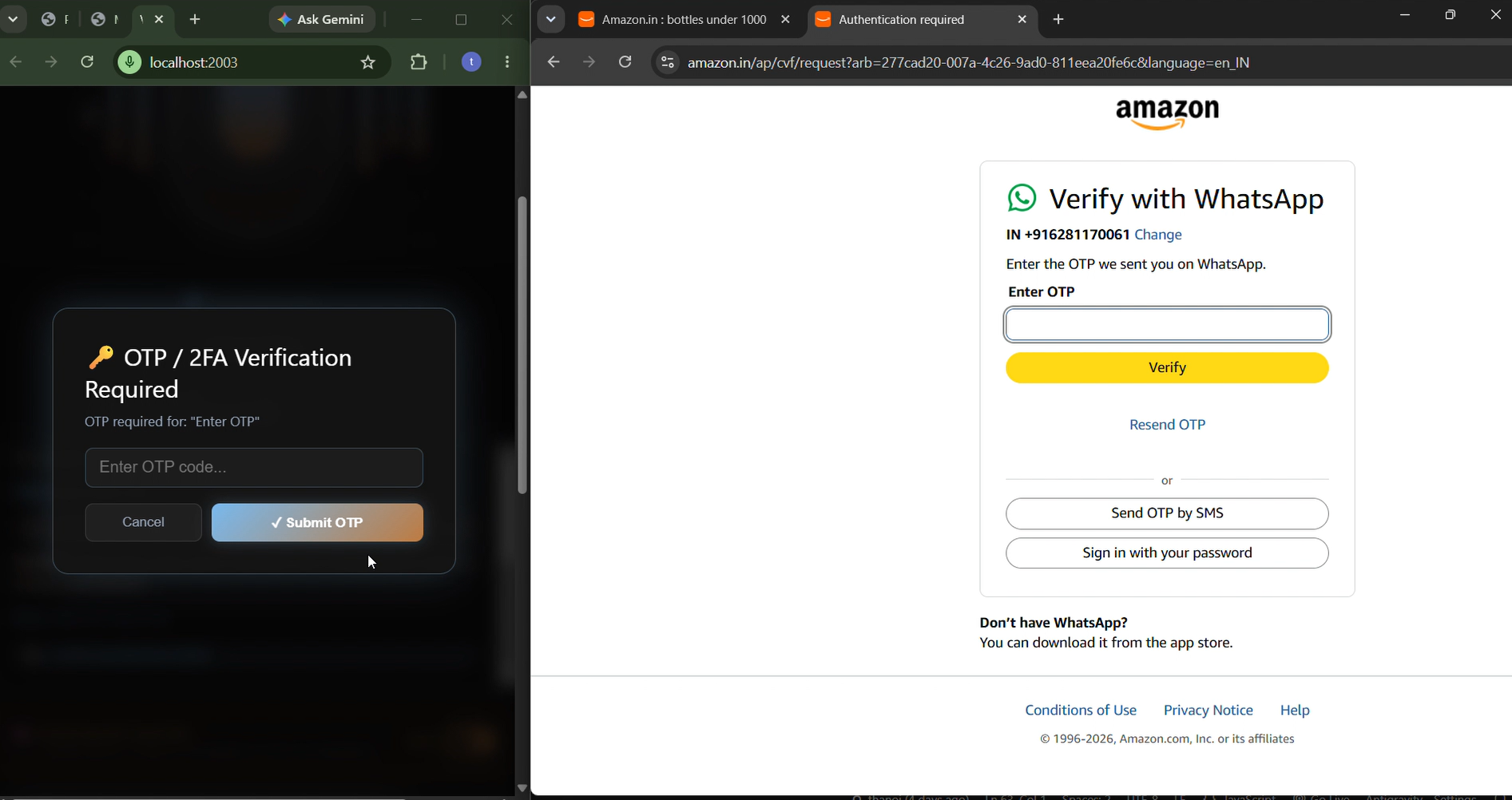
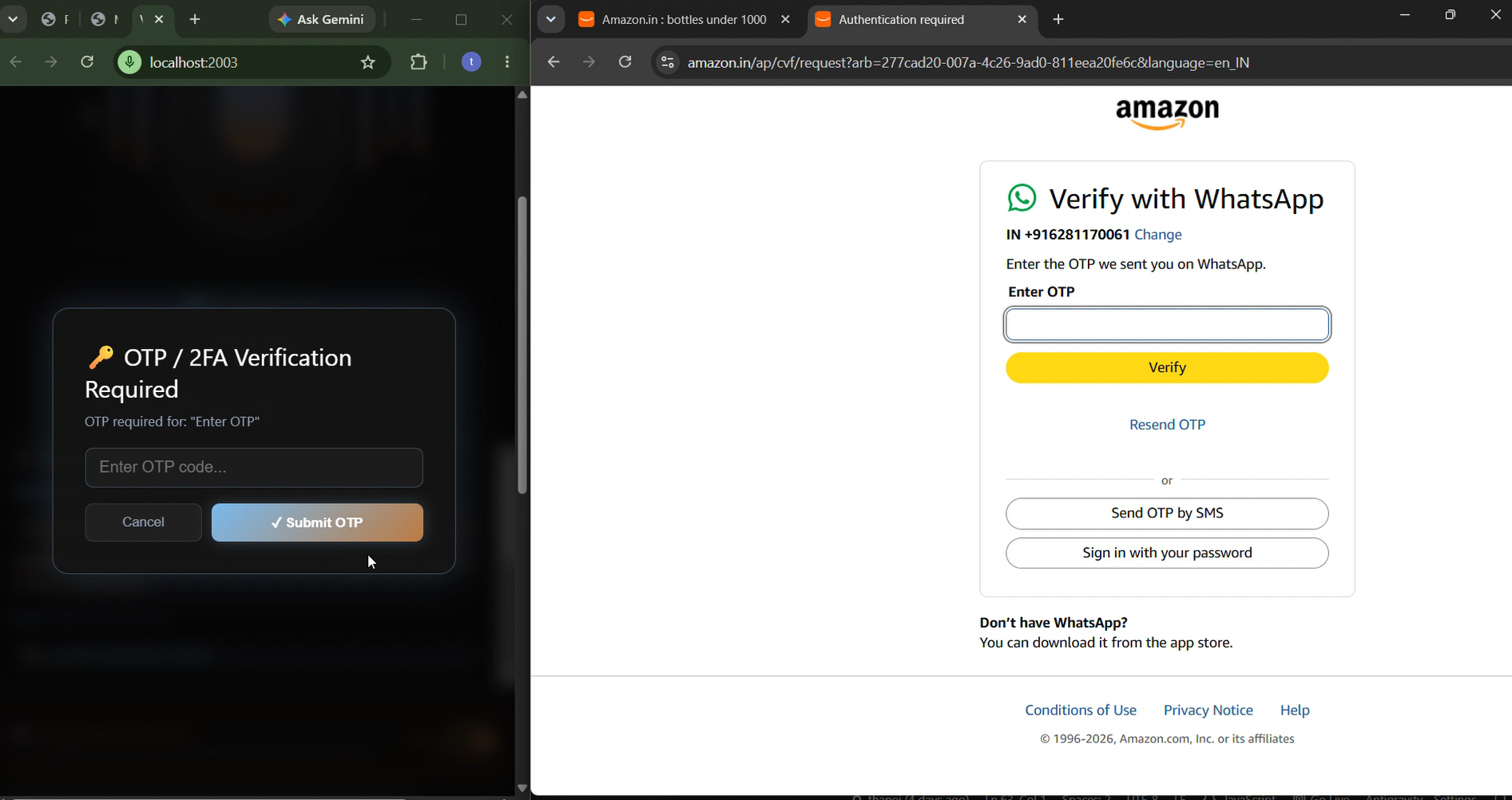
For example, when a user wants to purchase an e-commerce product, they simply speak their intent to ARGUS. The Agora API captures the audio, triggering ARGUS to autonomously navigate the site, click the necessary buttons, and populate input fields. When sensitive Human-In-The-Loop (HITL) intervention is required—such as entering an OTP, payment details, or confirming specific options—ARGUS generates a secure popup to collect the data. Once the transaction is finalized, ARGUS instantly notifies the user that the task is successfully completed.
The Link for how it book the product:Product Booking
Watch how ARGUS autonomously fills web forms: https://youtu.be/xOJCvNjIdJs (Note: Recorded exclusively to showcase form-filling capabilities using synthetic, mock PII data).
The Next Stages Of The ARGUS
STAGE 2: Handling Complex Navigation
Currently, ARGUS—Agora Powered Voice Web Automation—operates on a foundational LLM without fine-tuning or a Retrieval-Augmented Generation (RAG) architecture. To eliminate AI hallucinations and system overwhelm, this stage introduces a robust RAG framework. By actively observing contextual data, ARGUS will flawlessly manage complex web navigations and autonomous task executions. Furthermore, it will deliver real-time voice feedback to the user, verbally confirming exactly what action was completed at every single step.
STAGE 3: Advancing Payment Execution via x402, ACP, and AP2
Currently, delegating direct payment authority to an LLM poses significant security risks, requiring ARGUS to rely on Human-in-the-Loop popups for sensitive financial details. In our next evolution, we will fully automate secure transactions by integrating advanced agentic frameworks: x402, the Agentic Commerce Protocol (ACP), and the Agent Payments Protocol (AP2). By deploying cryptographically signed mandates to establish verifiable trust between transacting parties, ARGUS will safely and autonomously execute payments without compromising user security
es.
Final Expected Outcomes
We are bridging the gap between human thought and digital execution through voice commands with ARGUS—Agora Powered Voice Web Automation. By leveraging Agora's real-time voice capabilities, ARGUS seamlessly transforms spoken intent into autonomous action, driving the entire workflow from initial voice capture to independent task completion.
Here are a few strong alternatives of similar length:
-
Focus on autonomy: ARGUS seamlessly bridges human thought and computer execution using intuitive voice commands. Powered by Agora, the system autonomously translates spoken intent into direct action, effortlessly driving the entire process from initial voice capture to final task completion.
-
Focus on the technology: By integrating ARGUS—Agora Powered Voice Web Automation, we bridge human intent with digital execution. Agora's technology captures the user's voice, empowering ARGUS to make autonomous decisions that seamlessly transition from understanding a spoken command to independently completing the goal
The Technical architecture is present in the GitHub link
This build was uploaded as a hackathon project


