Cognitive Twin
Link to open source: https://github.com/chaitenyachand/cognitivetwin-buddy
Link to Live Project: https://cognitivetwin-buddy.lovable.app
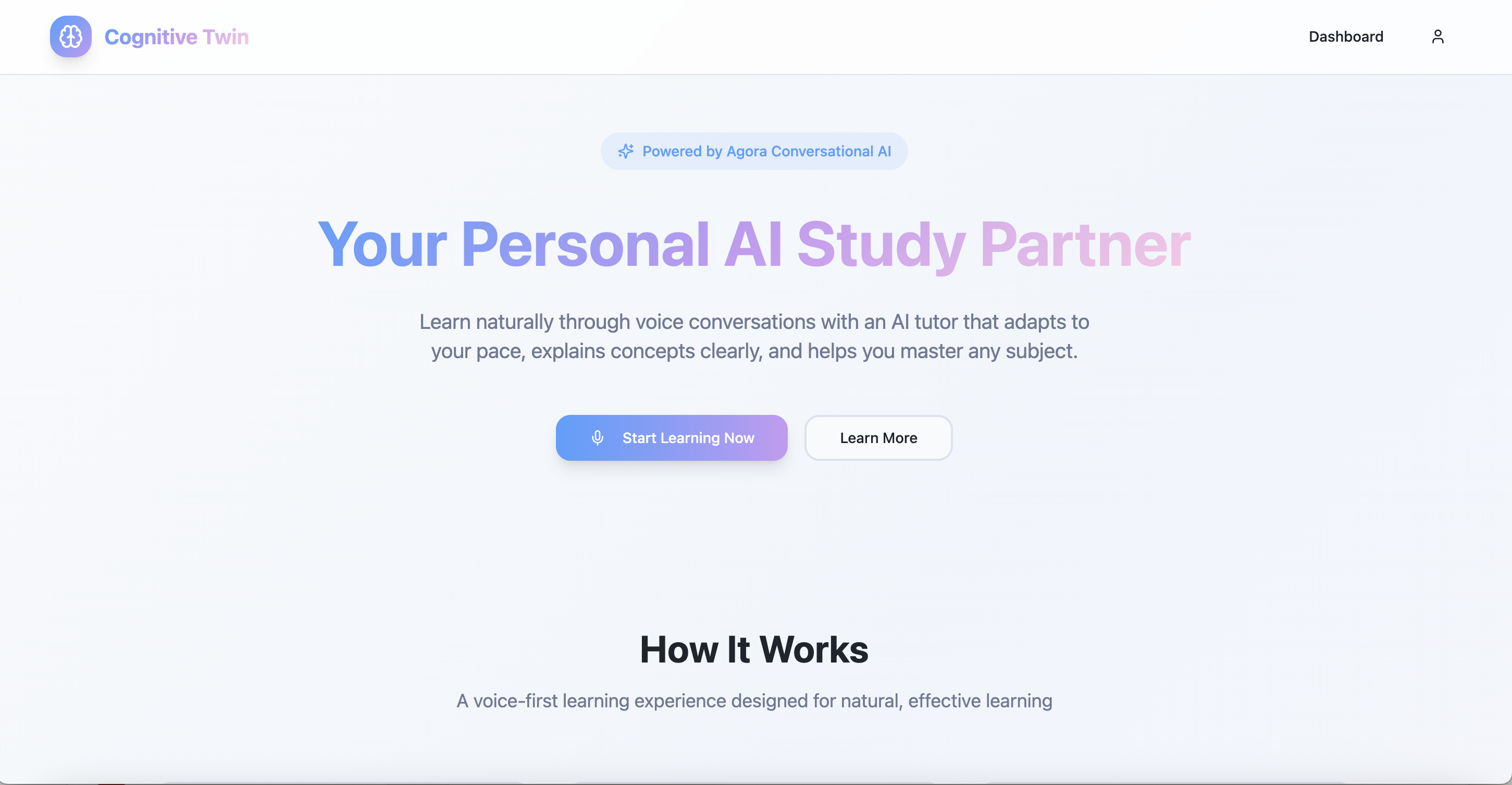
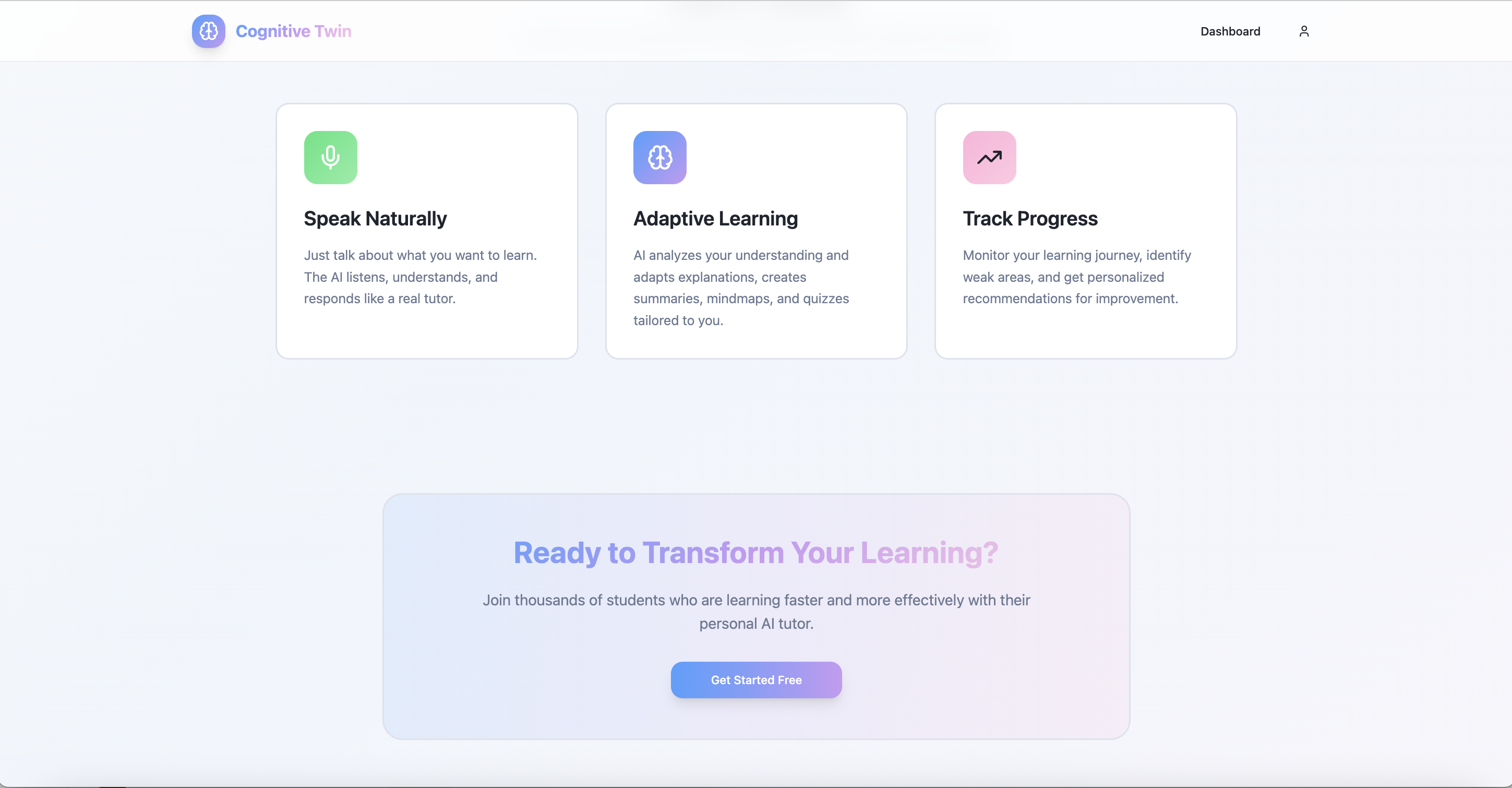
Our Cognitive Twin Agent is designed to solve one of the most persistent problems in education: the "one-size-fits-all" learning model. Traditional study methods are inefficient, forcing all students, regardless of their background or learning style, to use the same static materials. Our solution is useful because it provides a deeply personal, adaptive, and engaging learning experience for everyone.
1. It Creates Efficient, Personalized Study Plans
The Cognitive Twin is an intelligent agent, not just a textbook. Its core usefulness comes from its ability to stop students from wasting time.
-
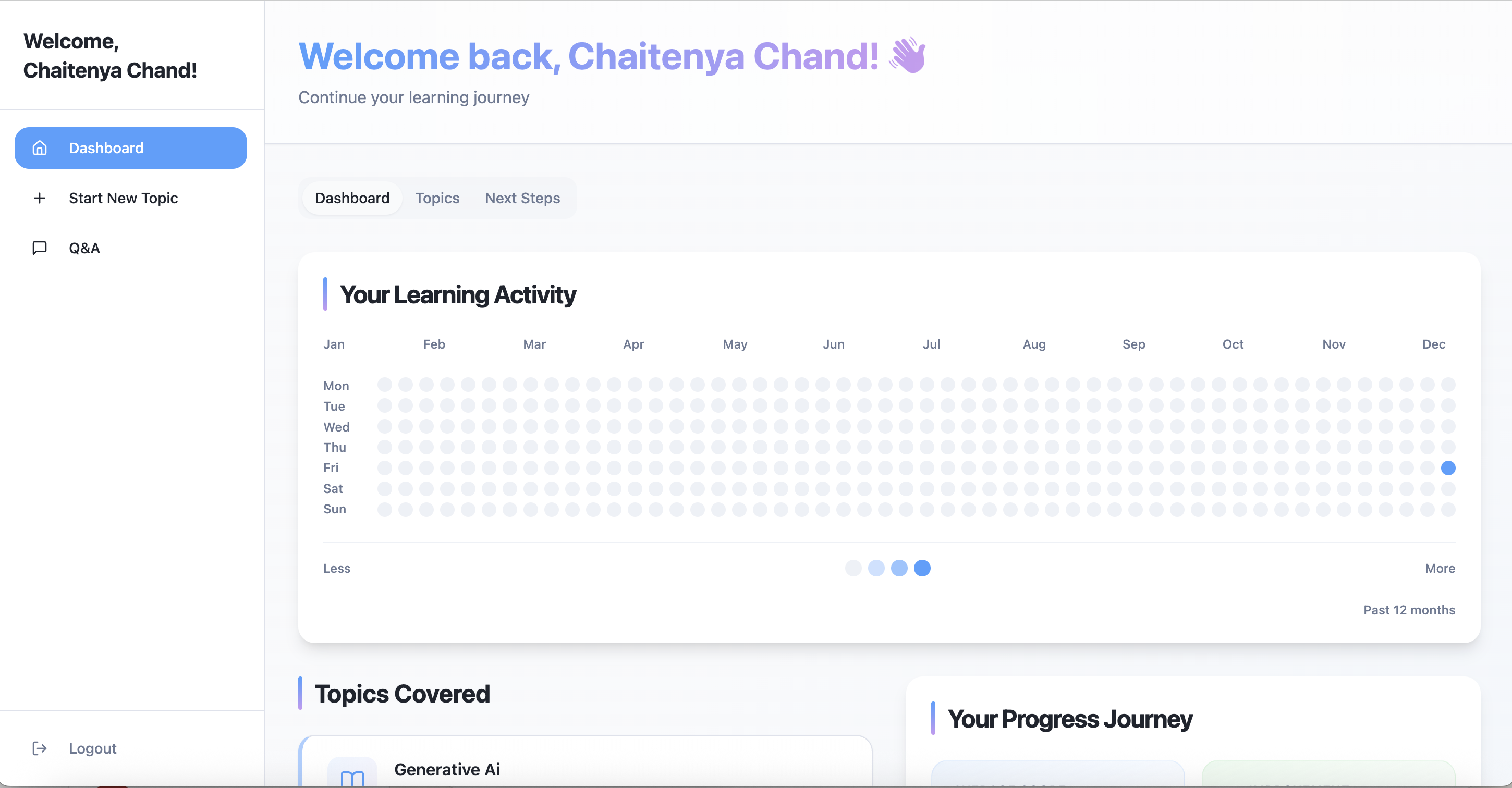
Identifies Knowledge Gaps: After a user takes an AI-generated quiz, our agent analyzes their performance to pinpoint exactly which concepts they misunderstood.
-
Generates Focused Review: Instead of just giving a grade, the agent instantly generates a new, "Focused Review Module" (summaries, flashcards, etc.) based only on those specific weak areas. This allows a student to focus their limited study time precisely where it's needed most, making their learning dramatically more efficient.
2. It Provides Accessible, 24/7 Socratic Tutoring
Students often get stuck outside of class or tutoring hours, which leads to frustration and disengagement. Our Socratic Voice Tutor solves this by acting as an on-demand, personal AI guide.
-
Always Available: It provides 24/7, one-on-one conversational help, a resource previously available only to those who could afford a private tutor.
-
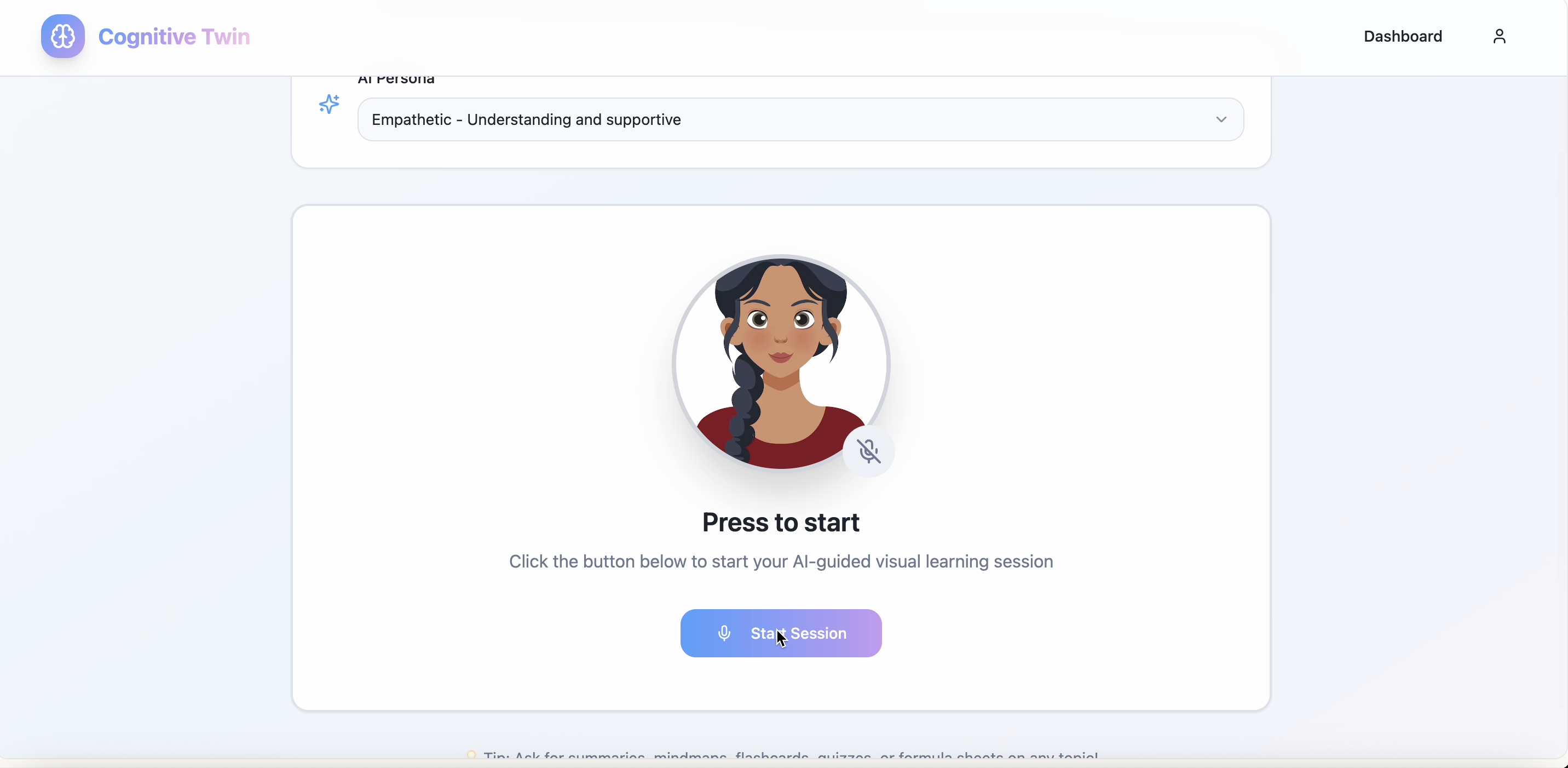
Guides, Not Just Answers: Using a Socratic method, the AI doesn't just give answers. It asks guiding questions, listens to the user's voice, and helps them arrive at the correct conclusion on their own, building deeper critical thinking and confidence.
3. It Caters to All Learning Styles (Multimodal Learning)
Many "study apps" are just text on a screen, which fails visual and auditory learners. Our project's most powerful feature is its ability to teach in multiple modes.
-
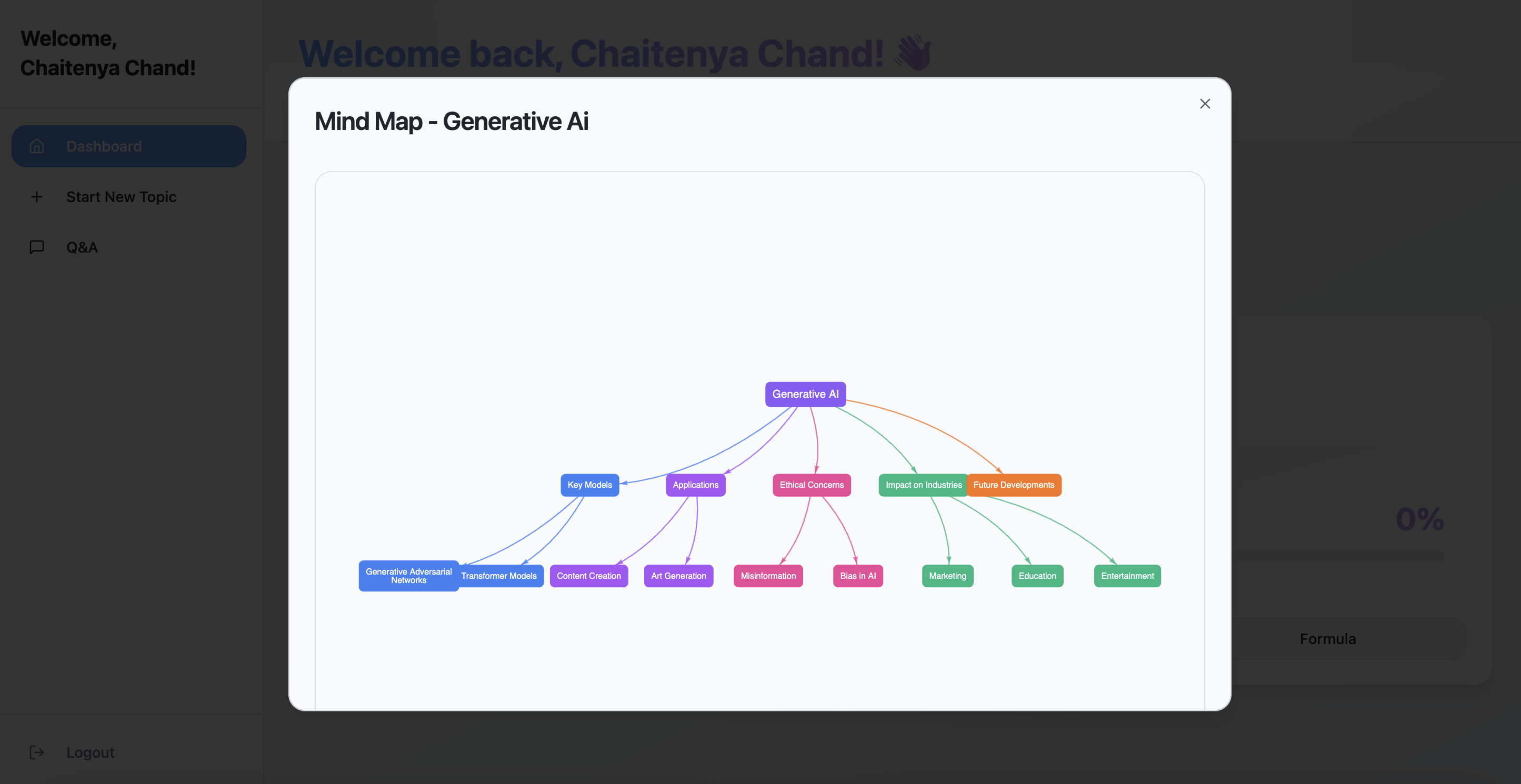
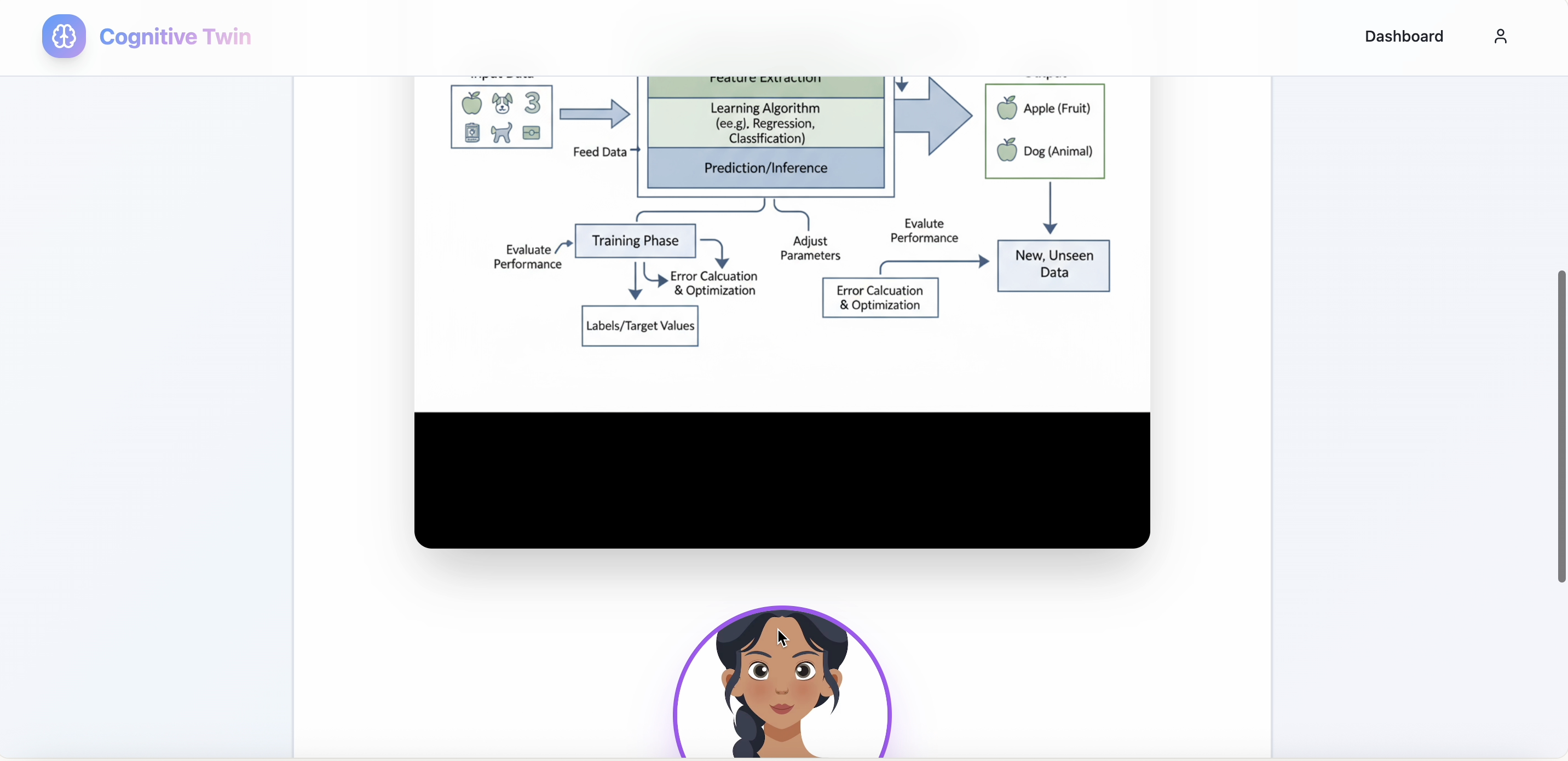
Visual Generation: The AI can generate visuals, like diagrams, flowcharts, or mind maps, to help students see complex concepts.
-
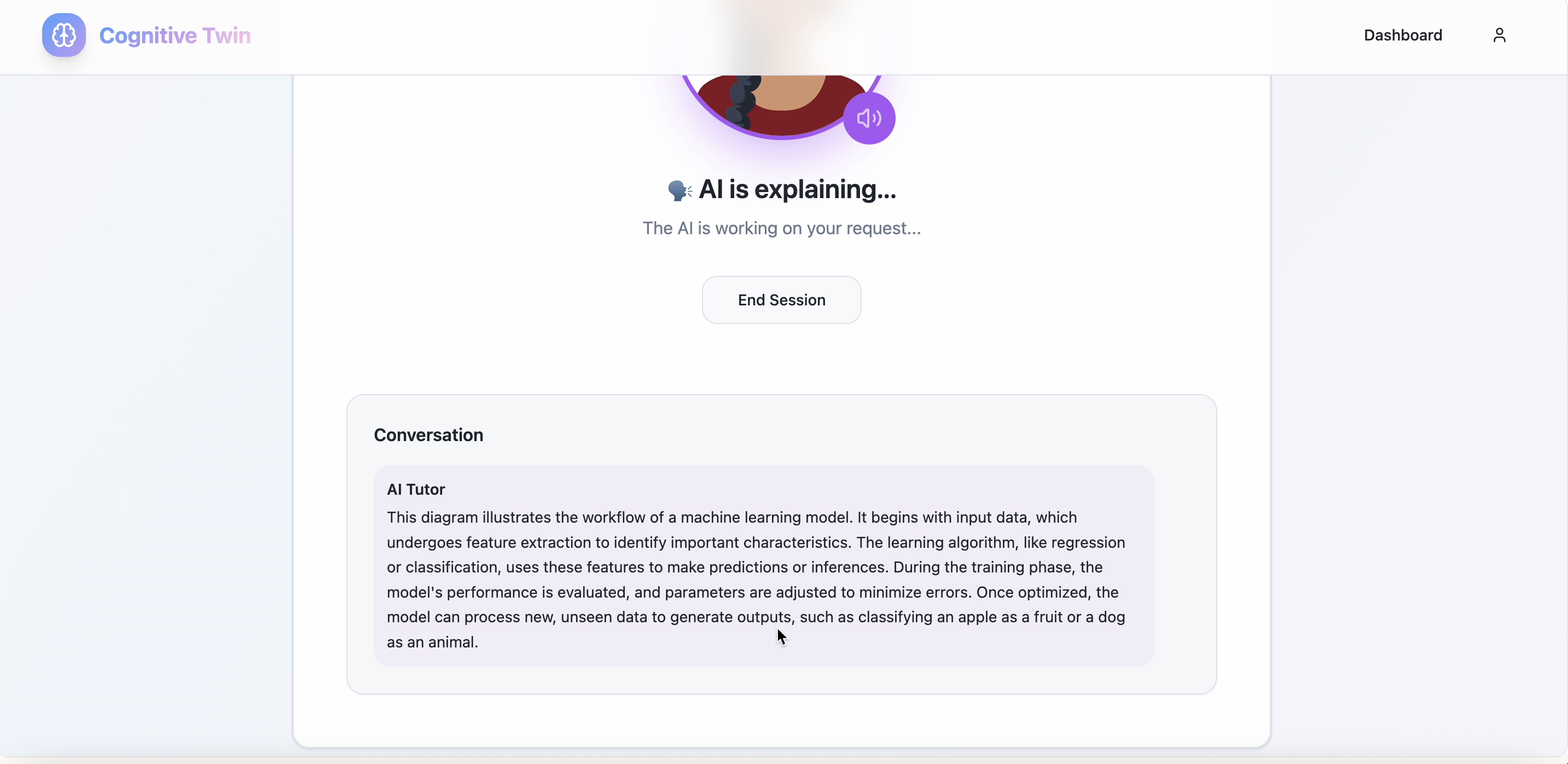
Verbal Explanation: The AI will then verbally explain these visuals, guiding the user's attention (e.g., "This diagram shows a plant cell. That green part is the chloroplast...").
-
Audio-Driven Avatar: By combining a custom avatar with AI-generated speech, we create a human-like, engaging experience that captures attention and makes learning feel interactive, not passive. This multimodal approach (visual, auditory, and conversational) is proven to increase understanding and long-term retention for all types of learners.
Applications of Cognitive Twin Platform
Our project has wide applications across multiple industries.
Education – Schools, Colleges, Coaching
For:
-
Subject learning
-
Exam preparation
-
Personalized tutoring
-
Concept reinforcement
-
Weak area diagnosis
Students get:
-
Mind maps
-
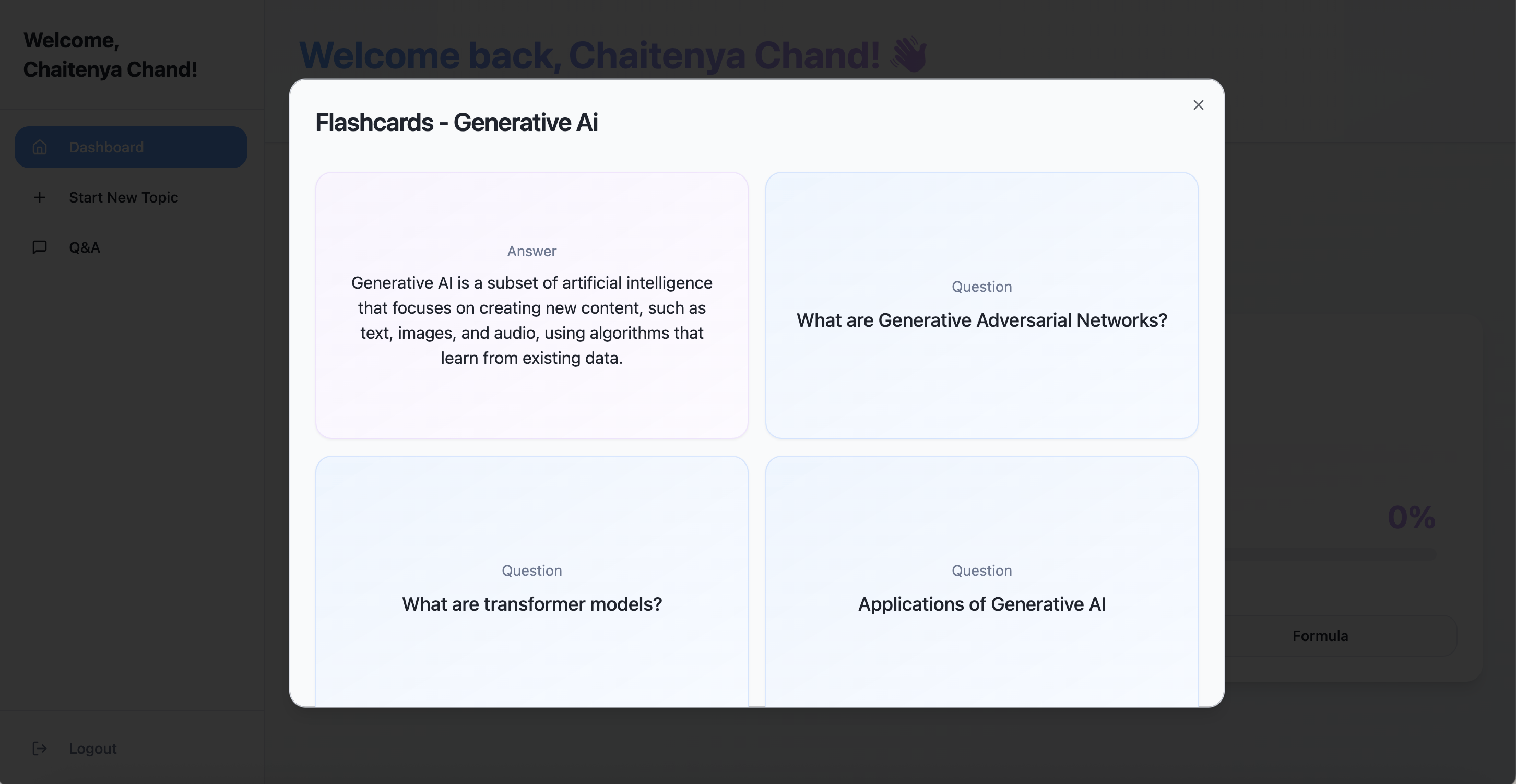
Flashcards
-
AI notes
-
Voice tutor
-
Adaptive learning
EdTech Platforms
Can integrate:
-
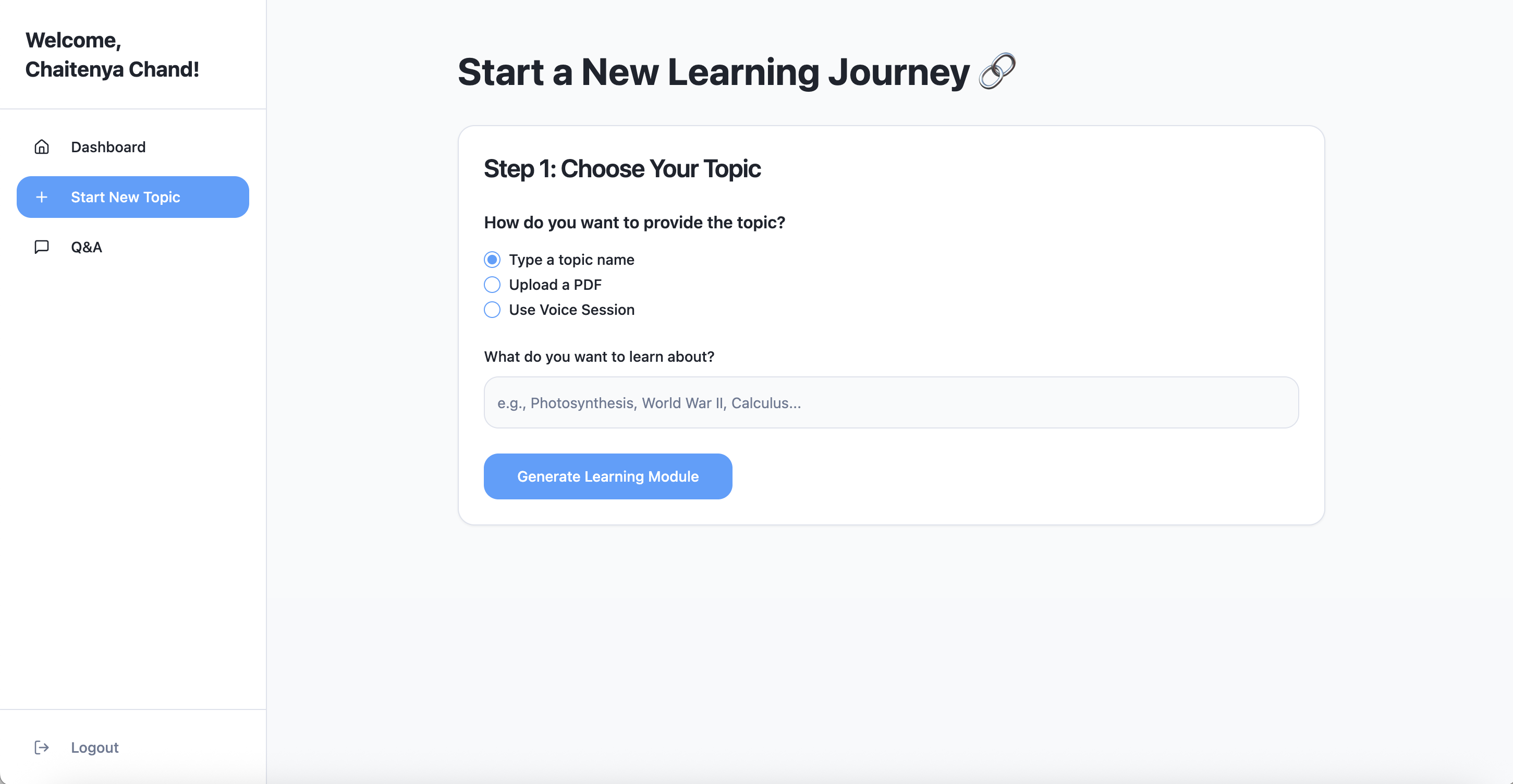
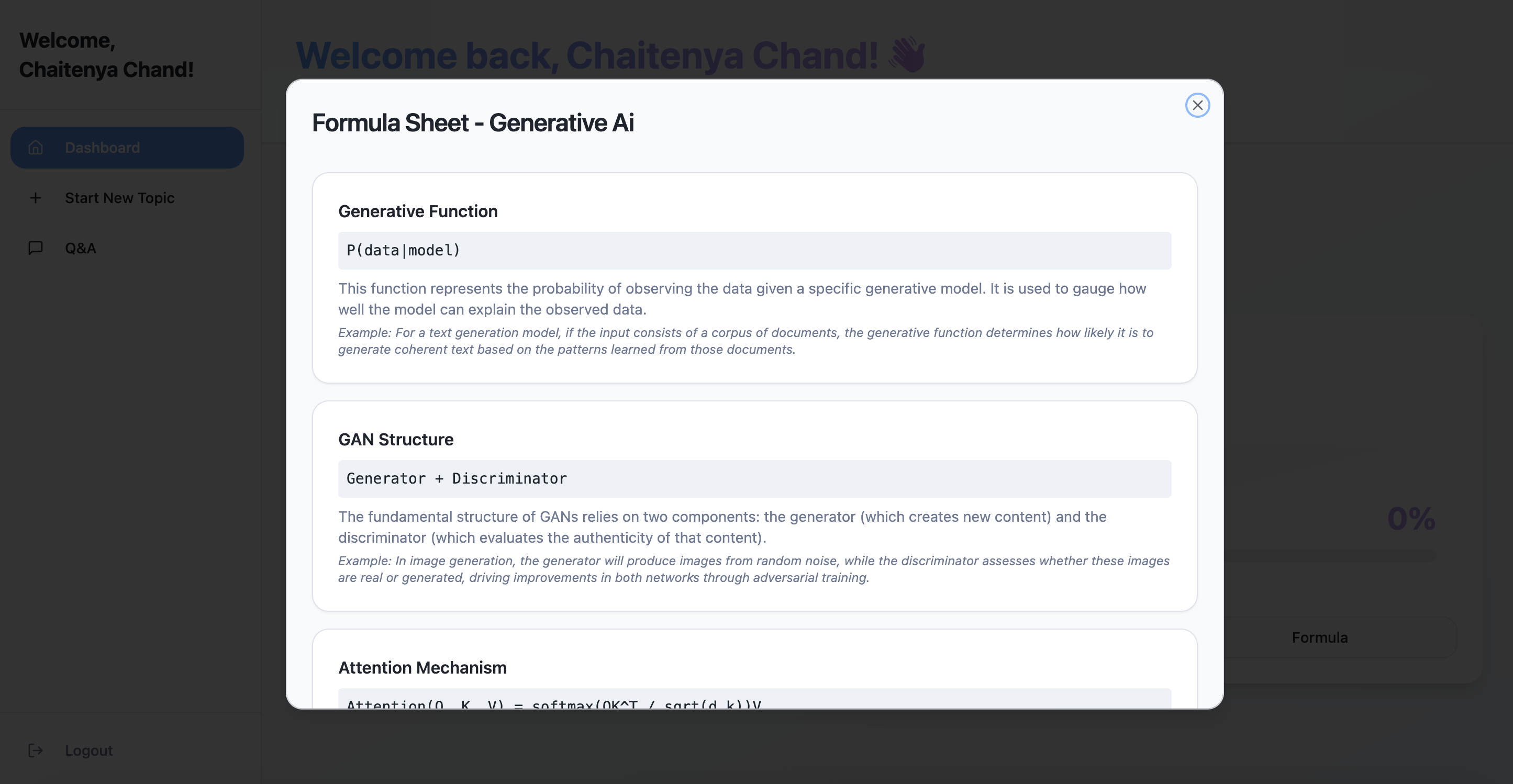
PDF-to-learning materials
-
AI quiz generation
-
Real-time AI tutor
Great for products like Byju’s, Unacademy, Coursera, Udemy.
Corporate Training
For onboarding and upskilling employees:
-
Convert SOPs, manuals, PDFs into training modules
-
Auto-generate quizzes
-
Voice-based internal knowledge assistant
Perfect for HR and L&D teams.
Professional Exam Preparation
UPSC, JEE, NEET, GATE, CAT, IELTS, etc.
Instant content generation + adaptive feedback = massive value.
Research & Knowledge Management
Researchers can:
-
Turn research papers into summaries
-
Generate mind maps of literature
-
Create structured notes
-
Get weak area analysis on topics
Personal Self-Learning
Anyone studying any topic can upload:
-
PDFs
-
Ebooks
-
Lecture slides
and instantly convert them into a full learning system.
This build was uploaded as a hackathon project


